Skip to navigation Menu

Diagnostic Medical Sonography: From Associate’s Degree to High-Demand Careers in NYC

Transform Your Future With Specialized Imaging Skills NYC Healthcare Needs


New York City’s healthcare system is booming. From world-class medical centers in Manhattan to growing specialty hospitals across the boroughs, NYC’s healthcare employers are actively recruiting skilled diagnostic medical sonographers. But not every entry-level healthcare job offers the same career growth, earning potential, or job security.

An associate’s degree in Diagnostic Medical Sonography is your pathway to a respected, specialized healthcare career. At Mandl School, The College of Allied Health, we prepare students for one of the most in-demand healthcare professions in New York City. Whether you’re interested in abdominal imaging, obstetrical and gynecological sonography, cardiac specialization, or advanced vascular imaging, a credential-backed career in diagnostic medical sonography positions you as a skilled, recognized imaging professional.

Why an Associate’s Degree in Diagnostic Medical Sonography Matters in NYC Healthcare

Here’s what employers in New York City are looking for:

  • Credentials that verify imaging expertise – An associate’s degree in diagnostic medical sonography demonstrates you’ve completed rigorous training and are ready for clinical responsibility in imaging
  • National certifications – NYC hospitals and imaging centers prioritize candidates with ARRT (American Registry of Radiologic Technologists) or CCI (Cardiovascular Credentialing International) credentials
  • Specialized ultrasound skills – Healthcare systems need skilled sonographers with proven technical expertise, not general healthcare workers with minimal imaging training
  • Advancement-ready professionals – An associate’s degree is your foundation for career growth, specialization in advanced imaging, and significantly higher earning potential

The stark reality: Without an associate’s degree or sonography certification, you’re competing for entry-level healthcare positions with minimal earning potential and limited growth. With an associate’s degree and national certification, you’re positioned for respected imaging roles in NYC’s top medical centers with career pathways that lead to specialization, advancement, and significantly higher compensation.

Diagnostic Medical Sonography in NYC: The Opportunity

What Diagnostic Medical Sonography Offers

Diagnostic medical sonography is a respected healthcare profession that offers:

  • Clinical impact – Ultrasound is essential across countless diagnostic applications: pregnancy imaging, cardiac assessment, vascular evaluation, abdominal imaging, and emergency medicine
  • Non-invasive focus – Ultrasound emphasizes patient safety without radiation exposure
  • Diverse practice settings – Work across hospitals, imaging centers, specialty practices, and academic medical centers in NYC
  • Technical expertise – Master complex imaging technology and clinical decision-making

Sonographers are essential members of the healthcare team. Your imaging directly guides diagnosis, treatment decisions, and patient care.

What You’ll Learn: Two Specialization Tracks in Diagnostic Medical Sonography

Building Specialized Imaging Expertise

An associate’s degree in Diagnostic Medical Sonography from Mandl School prepares you to perform and understand ultrasound examinations with clinical expertise. We offer two distinct tracks—each designed for different career goals and specialization interests.

Track 1: General Diagnostic Sonography

Abdomen, OB/GYN, and Basic Vascular Imaging

This comprehensive track prepares you for careers in general diagnostic ultrasound with broad clinical expertise across multiple body systems:

Abdominal Imaging

  • Liver, kidneys, gallbladder, pancreas, and spleen assessment
  • Comprehensive abdominal organ imaging for diagnostic accuracy
  • Pathology recognition and clinical correlation

Obstetrical & Gynecological Imaging

  • Female reproductive system anatomy and pathology
  • Pregnancy development and fetal growth monitoring
  • Pelvic structures and OB/GYN diagnostics
  • Prenatal screening and patient education

Basic Vascular Imaging

  • Vascular circulation assessment and anatomy
  • Doppler flow studies and basic hemodynamic principles
  • Introduction to vascular pathology

Clinical Foundation

  • Rigorous anatomy and physiology education
  • Ultrasound physics and technical principles
  • Image acquisition techniques and clinical protocols
  • Patient care and professional communication
  • Preparation for ARRT (American Registry of Radiologic Technologists) certification

Ideal For:

  • Students interested in women’s health and family-centered care
  • Candidates drawn to general medical imaging with diverse specialties
  • Professionals seeking broad diagnostic ultrasound expertise
  • Those interested in obstetrics and pregnancy imaging
  • Career-focused individuals wanting multi-specialty sonography options

Track 2: Advanced Echocardiography and Vascular Sonography

Specialized Cardiac and Vascular Imaging

This advanced track prepares you for specialized careers in cardiac and vascular ultrasound imaging—for students ready to master complex cardiovascular science:

Advanced Cardiac Imaging (Echocardiography)

  • Complex cardiac anatomy and structural relationships
  • Heart chambers, valves, and function assessment
  • Cardiac pathology and disease conditions
  • Advanced Doppler techniques: pulsed-wave, continuous-wave, and color flow imaging
  • Hemodynamic principles and pressure gradient measurements
  • Clinical correlation with cardiology diagnoses

Advanced Vascular Imaging

  • Comprehensive vascular anatomy: arteries, veins, and circulation patterns
  • Blood flow physics and hemodynamic principles
  • Advanced Doppler waveform analysis and interpretation
  • Vascular pathology: stenosis, occlusion, aneurysm, and graft assessment
  • Bypass graft and interventional follow-up imaging

Advanced Technical Foundation

  • Sophisticated ultrasound physics specific to cardiac and vascular applications
  • Advanced anatomy and physiology with cardiovascular specialization
  • Hemodynamic calculations and clinical decision-making
  • Preparation for ARRT and RDCS (Registered Diagnostic Cardiac Sonographer) or RCVS (Registered Cardiovascular Sonographer) credentials

Ideal For:

  • Students with strong math and physics aptitude
  • Candidates passionate about cardiology and cardiovascular medicine
  • Professionals interested in advanced diagnostic imaging specialization
  • Those drawn to technical complexity and clinical specialization
  • Career-focused individuals aiming for elite imaging roles in cardiac centers

The science matters. Success in diagnostic medical sonography requires strong foundational knowledge of anatomy, physiology, and physics. Your education goes far beyond learning equipment buttons—it’s mastering the science behind the imaging. The advanced track demands even greater technical and scientific rigor.

Flexible Career Paths

Your sonography credential opens doors beyond traditional imaging:

  • Hospital ultrasound departments – Steady shifts with benefits and advancement opportunities
  • Specialty imaging centers – Focus on specific imaging modalities or patient populations
  • Private practices and clinics – Build relationships with referring physicians
  • Specialty hospitals – Work in cardiac centers, women’s health hospitals, or vascular specialty practices
  • Academic medical centers – Combine clinical work with research or education
  • International opportunities – Your ARRT credential is recognized globally

Why Mandl School for Your Diagnostic Medical Sonography Associate’s Degree?

Mandl School’s diagnostic medical sonography programs are built for working New Yorkers:

  • Flexible scheduling – Classes designed around work and life responsibilities; not traditional full-time college requirements
  • Two distinct tracks – Choose between General Diagnostic Sonography (broad expertise) or Advanced Echocardiography and Vascular Sonography (cardiac specialization)
  • NYC-focused training – Our partnerships with major NYC medical centers ensure you learn on the same equipment and in the same clinical environments where you’ll work
  • Career-ready graduates – Our programs focus on the skills and credentials employers in NYC healthcare actually demand
  • Rigorous standards – We prepare you not just to graduate, but to pass national certification exams (ARRT, CCI, RDCS, or RCVS) and succeed in competitive imaging roles
  • Hands-on clinical training – Extensive clinical internships with real patient cases prepare you for day-one job readiness
  • Specialized faculty – Learn from experienced sonographers working in NYC’s leading imaging departments

The Bottom Line

An associate’s degree in Diagnostic Medical Sonography from Mandl School prepares you with the skills, knowledge, and national credentials to become a skilled ultrasound imaging professional. Your credentials are recognized across NYC’s medical centers and imaging facilities.

Your career in diagnostic imaging starts with choosing the right path. Are you ready to specialize in ultrasound?

Mandl School, The College of Allied Health – Preparing skilled sonographers for New York City’s most respected medical centers, imaging centers, and specialty practices.

Diagnostic Medical Sonography: More Than Just Pregnancy Scans

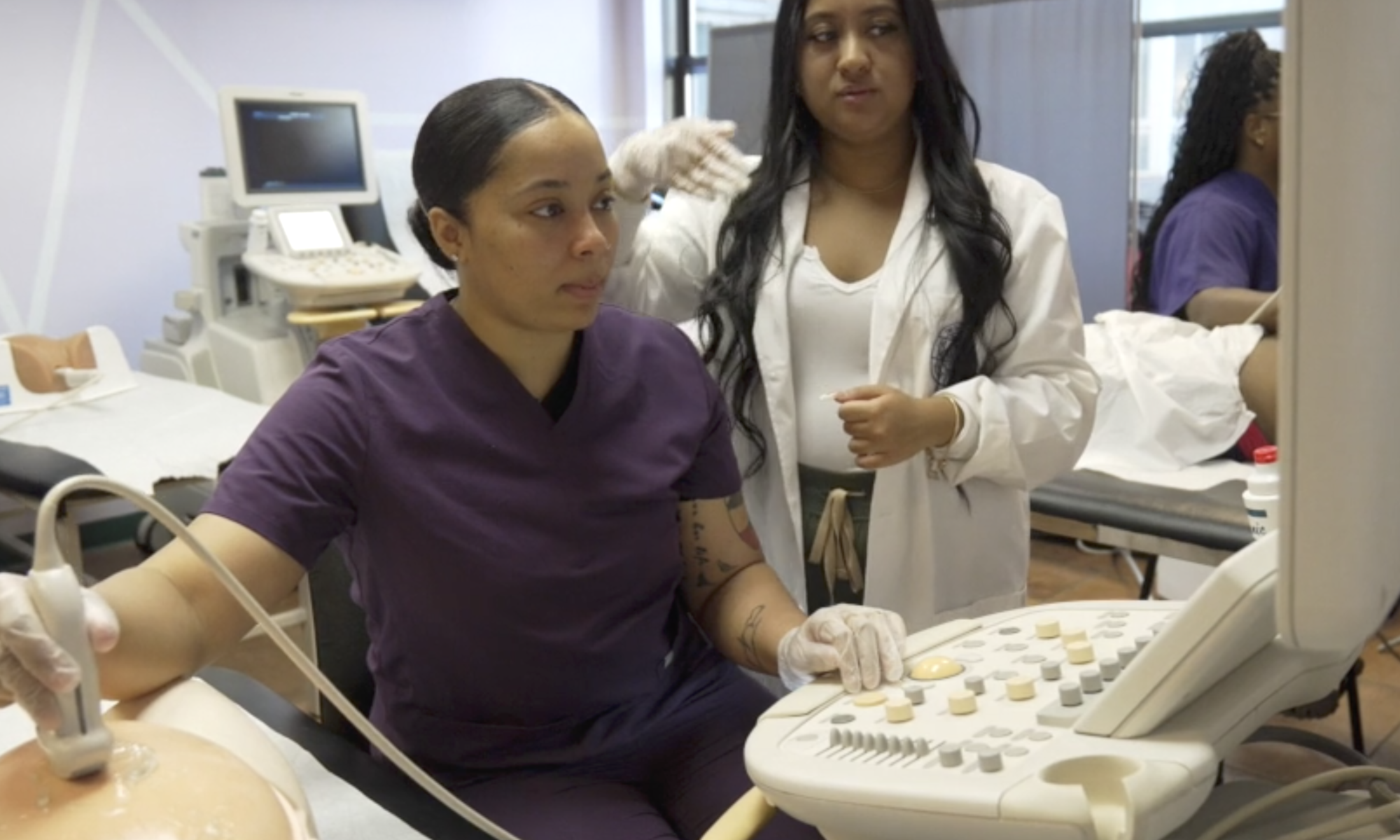
Diagnostic Medical Sonographer with a patient
From the Heart to the Kidneys: The Many Roles of a Diagnostic Medical Sonographer

When most people hear “ultrasound,” they picture an expectant parent seeing their baby for the first time. While obstetrics is an important part of the profession, diagnostic medical sonography goes far beyond pregnancy scans. Sonographers are trained to capture detailed images of the body that help physicians diagnose and treat a wide variety of conditions.


A Career Beyond Obstetrics

Sonographers are skilled in imaging organs such as the heart, liver, kidneys, and blood vessels. They play an essential role in detecting cardiovascular disease, identifying tumors or cysts, and monitoring conditions that affect internal organs. This makes diagnostic medical sonography a vital part of modern healthcare.


Hands-On Training at Mandl School

At Mandl School, The College of Allied Health, our Diagnostic Medical Sonography program prepares students with both classroom instruction and hands-on experience. You’ll learn to operate advanced imaging equipment, work directly with patients, and collaborate with physicians in real healthcare settings.


Why Choose a Career in Sonography?

Diagnostic medical sonographers are in high demand, and the field continues to grow rapidly. Graduates enjoy competitive salaries, flexible career options, and the satisfaction of helping patients through accurate and timely imaging. It’s a career that blends technology with patient care—perfect for those who want both challenges and rewards.


Your Future Starts Here

Earning your degree at Mandl School is the first step toward becoming a skilled, in-demand diagnostic medical sonographer. With the right training, you’ll be prepared to enter one of today’s most exciting healthcare careers and make a real difference in people’s lives.

APPLY TODAY TO LEARN MORE!

Why an Associate’s Degree Can Jumpstart Your Healthcare Career

Career in Diagnostic Medical Sonography

If you’re passionate about helping others and looking for a fast, affordable way to break into the healthcare field, an associate’s degree might be your perfect starting point.

Healthcare is growing. Fast!

Healthcare is one of the fastest-growing industries, and many roles—like medical assistants, surgical technologists, diagnostic medical sonographers, and respiratory therapists—only require a two-year degree to get started. These programs are all offered at Mandl School, The College of Allied Health, making them more affordable and accessible than four-year programs. Even better, our programs all include hands-on clinical training that prepares you to step directly into a job after graduation.

An Associates Degree will get you started!

An associate’s degree can also serve as a stepping stone. You can start working sooner, gaining experience and earning income while continuing your education if you choose to pursue a bachelor’s or advanced degree later on.

Whether you want a quicker path to employment, a flexible entry point, or a solid foundation for future growth, an associate’s degree can be a smart move toward a meaningful healthcare career.

Exploring the Benefits of a Diagnostic Medical Sonography Degree

Ultrasound of pregnant woman


Diagnostic Medical Sonography, often referred to simply as ultrasound technology, plays a crucial role in modern healthcare. Professionals in this field use specialized equipment to create images of internal organs, tissues, and blood flow to aid physicians in diagnosing and treating medical conditions. Pursuing a degree in diagnostic medical sonography opens doors to a rewarding career with numerous advantages and opportunities. Mandl School, the College of Allied Health offers this incredible degree program, one of the only programs of its kind in New York City.

1. High Demand and Job Stability

In the healthcare industry, diagnostic medical sonographers are in high demand. As technology advances and ultrasound becomes increasingly vital in medical diagnostics, the need for skilled professionals continues to grow. This high demand translates into excellent job stability and career prospects for individuals with the right qualifications.

2. Diverse Career Options

A degree in diagnostic medical sonography opens doors to a variety of career paths. Sonographers can specialize in areas such as obstetrics and gynecology, abdominal sonography, vascular sonography, and echocardiography. Each specialty offers unique challenges and opportunities to work with different patient populations and medical conditions.

3. Hands-On Patient Interaction

One of the most rewarding aspects of a career in sonography is the opportunity to work closely with patients. Sonographers play a crucial role in patient care, ensuring their comfort and safety during procedures while obtaining high-quality diagnostic images. This direct interaction allows professionals to make a positive impact on patients’ lives daily.

4. Technological Advancements

The field of diagnostic medical sonography is dynamic and constantly evolving with technological advancements. Professionals have access to state-of-the-art equipment and innovative imaging techniques that improve diagnostic accuracy and patient outcomes. Keeping up-to-date with these advancements ensures that sonographers remain at the forefront of medical imaging technology.

5. Competitive Salary and Benefits

Due to the specialized nature of their work and the high demand for skilled professionals, diagnostic medical sonographers enjoy competitive salaries and comprehensive benefits packages. Additionally, many employers offer opportunities for career advancement and professional development, allowing sonographers to expand their skills and knowledge throughout their careers.

6. Job Flexibility and Work-Life Balance

Sonographers often have the flexibility to choose from various work settings, including hospitals, clinics, imaging centers, and private practices. This flexibility extends to work hours, with many positions offering options for part-time or evening shifts. Such flexibility can contribute to a better work-life balance, allowing professionals to pursue personal interests and commitments outside of work.

7. Continual Learning and Growth

Continual learning is integral to the field of diagnostic medical sonography. Professionals have opportunities to attend conferences, workshops, and continuing education courses to stay current with industry trends and advancements. This commitment to lifelong learning not only enhances job performance but also opens doors to new career opportunities and specializations.

Conclusion

A degree in diagnostic medical sonography offers a pathway to a fulfilling and financially rewarding career in healthcare. From high demand and job stability to technological advancements and diverse career options, the benefits of pursuing this degree are numerous. If you are passionate about helping others, enjoy working with advanced technology, and seek a career with opportunities for growth and development, diagnostic medical sonography could be the perfect fit for you.

Apply to Mandl School

Ready to embark on this exciting journey? Contact Mandl School today to learn more. Speak to our Admissions Department and learn about career opportunities, financial aid, internships, and much more.  Take the first step toward a successful career in diagnostic medical sonography today!

Healthcare is an In Demand Career! You want one?

Healthcare Careers at Mandl School

Thinking about changing your career? Looking to build upon the career you have now? Not at all sure what to do with yourself but heard Healthcare is the future? Mandl School, The College of Allied Health can help you get started. Seriously, we’ve been doing it for 100 years.

Your Healthcare Career will Make a Difference in Your Life, Your Family’s life and the lives of so many others.

Imagine going to work every day knowing you’re making a real difference in someone’s life. You’re basically a real-life miracle worker, with the ability to heal, comfort, and bring smiles to people’s faces when they need it most.  A career in healthcare is in such high demand because people are always going to need care, and as the population grows and ages, the demand only increases.

Top 5 Reasons Why Healthcare Careers are in Such High Demand:

  1. Aging Population: The world’s population is getting older, which means more people are living longer and needing healthcare services. With conditions like heart disease, arthritis, and diabetes becoming more common with age, healthcare professionals are essential to help manage and treat these conditions.
  2. Advancements in Medicine: Medical technology is advancing rapidly, leading to new treatments, procedures, and specialties. This means there’s a growing need for trained professionals who can operate advanced medical equipment, administer new treatments, and specialize in new areas of care.
  3. Chronic Illnesses: There’s an increase in chronic conditions like diabetes, hypertension, and obesity, which require ongoing management. This means a constant need for doctors, nurses, and specialists to help patients manage their health over the long term.
  4. Global Health Challenges: Issues like pandemics, mental health crises, and public health emergencies highlight the need for a strong, adaptable healthcare workforce. Whether it’s dealing with a global pandemic or responding to natural disasters, healthcare workers are on the front lines.
  5. Diverse Opportunities: Healthcare offers a wide range of career paths—from nursing and medicine to health IT and public health. This variety attracts people with different skills and interests, leading to a constant need for new talent across the field.

In short, the demand for healthcare careers is driven by the essential nature of the work, ongoing medical advancements, and the increasing health needs of the population. It’s a field where the demand is only going to grow.  So, if you want a job that’s meaningful, exciting, and a little bit magical, healthcare is the career to start.

And Mandl School can get you started! But don’t wait…  Apply today to save your seat!

HAVE A QUESTION?

  • Please do not add "1" to your number
  • This field is hidden when viewing the form