Skip to navigation Menu

Already Working in Healthcare? How a Mandl Degree Can Advance Your Career

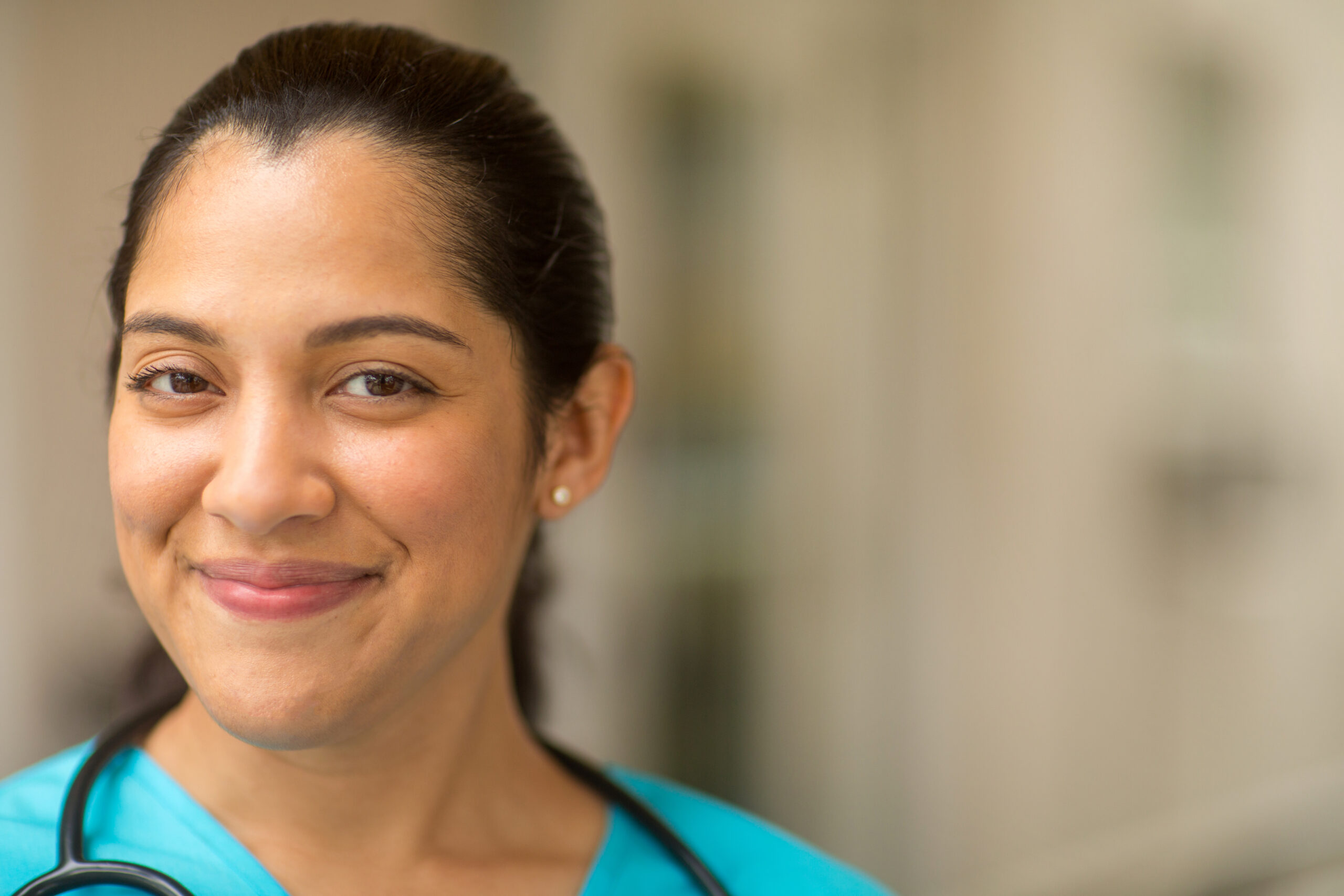
Smiling female healthcare professional looks at the camera while in hospital hallway. She is standing with her arms crossed.

Summary (TL;DR)

  • Already working in healthcare? A Mandl School degree builds on the experience you have instead of starting over.
  • Specialized programs include Diagnostic Medical Sonography, Respiratory Therapy, and Surgical Technologist, each a realistic next step from an entry-level clinical role.
  • Programs run 75 to 90 weeks, far shorter than a traditional degree, so you can move into a higher-level career sooner.
  • Each program carries the specific accreditation required for licensure or certification in that field.
  • Mandl’s Manhattan location and student support services, including financial aid and career services, are built with working students in mind.
  • The next step is simple: explore programs or talk to admissions about how your current experience could transfer.

If you’re already working in healthcare, as a medical assistant, a patient care tech, a front-desk coordinator in a clinical office, you already know something most career-changers don’t: what it actually feels like to work in a hospital or clinic every day. You know the pace, the patients, the teams, the satisfaction of helping someone on one of their hardest days.

What you might not have yet is the specialized credential that moves you from supporting patient care to directly delivering it, with more responsibility, more autonomy, and a meaningfully higher ceiling on your career and your paycheck.

That’s where a Mandl School degree comes in.

Why advance from within healthcare

Starting over in a brand-new field means learning the basics: how a clinical environment runs, how to work with patients under pressure, how a care team communicates. If you’re already in healthcare, you’ve skipped that entire learning curve.

What changes when you pursue a specialized degree isn’t your comfort level in a medical setting, it’s your scope of practice. Instead of supporting the clinical team, you become the one running diagnostic equipment, operating in the OR, or managing a patient’s respiratory care directly. That shift typically comes with more independence, more specialized skill, and a stronger, more stable career path than an entry-level role alone can offer.

From medical assistant to diagnostic medical sonographer

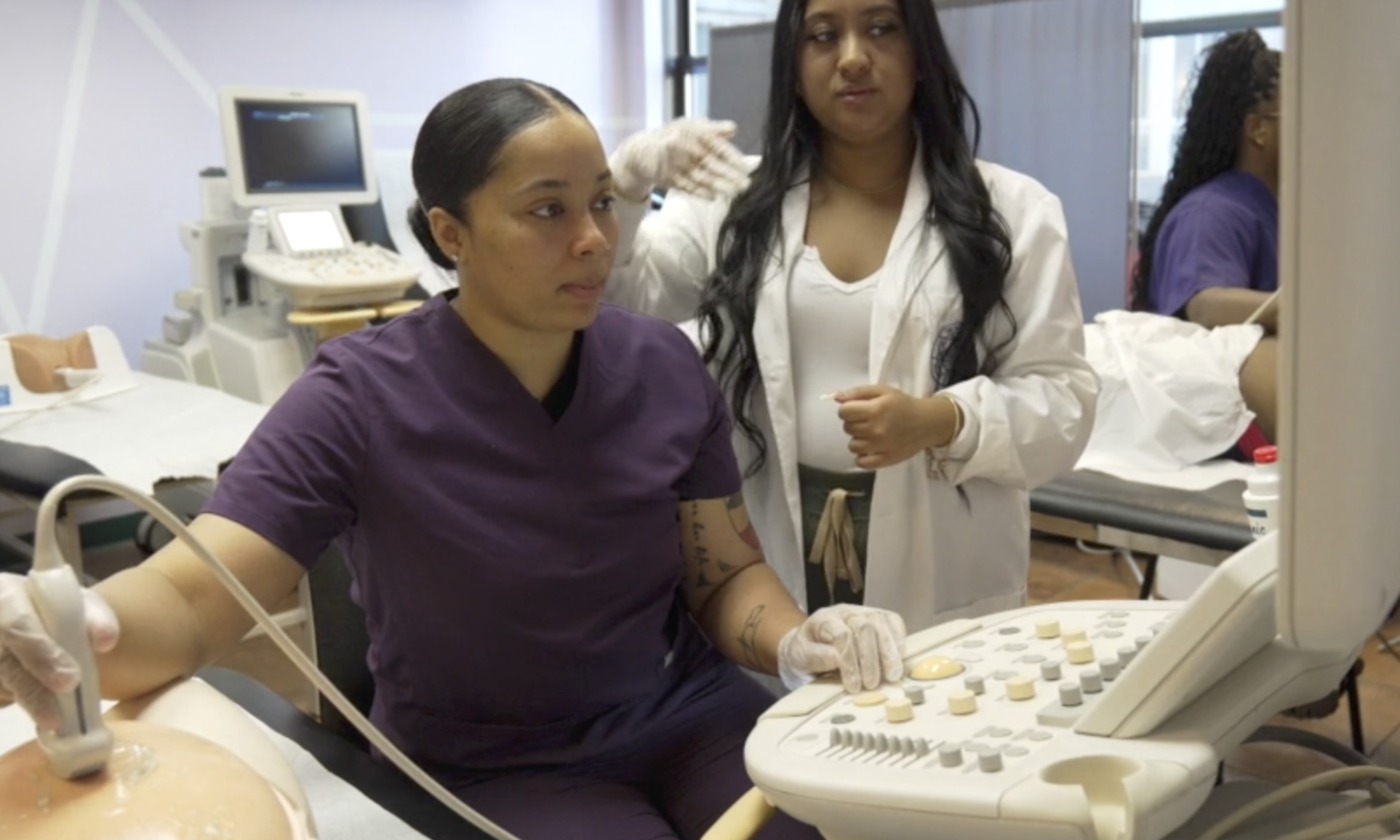
Here’s a path we see often: a medical assistant working in a hospital or outpatient clinic, comfortable with patients and clinical routines, who wants more. For many, Diagnostic Medical Sonography is a natural next step.

Mandl’s A.A.S. in Diagnostic Medical Sonography offers two specialty tracks. Track One concentrates on abdominal and OB/GYN sonography, while Track Two focuses on adult echocardiography and cardiovascular technology.

It’s not just sonography: other paths forward

Diagnostic Medical Sonography is one common advancement path, but it’s far from the only one. Mandl offers specialized degrees across several in-demand fields, each a realistic next step for someone already working in a clinical support role.

Respiratory Therapy is a strong option for anyone drawn to critical care and patient education. Mandl’s A.A.S. in Respiratory Therapy is a 75-week, 68-credit program, accredited by the Commission on Accreditation for Respiratory Care (CoARC), that prepares graduates to sit for the Therapist Multiple-Choice Examination and pursue Certified Respiratory Therapist (CRT) or Registered Respiratory Therapist (RRT) credentials.

Surgical Technologist is another path worth considering, especially for those who thrive in fast-paced, hands-on environments. At 75 weeks and 62 credits, the program prepares students for a strong job outlook in operating rooms and surgical centers, letting them enter the workforce quickly without years of additional schooling.

Whichever path fits, the throughline is the same: you already have real healthcare experience. A specialized degree builds directly on that foundation instead of starting from zero.

Built for people already working

Going back to school while working full-time, often with a family to support, is a real concern, and it’s one Mandl takes seriously. A few things make this transition more realistic than it might seem:

  • Focused, full-time timelines. Programs run well under two years (75 to 90 weeks), far shorter than a traditional bachelor’s degree, so you’re back in the workforce at a higher level sooner.
  • Accreditation that protects your investment. Mandl’s programs carry the specific programmatic accreditations each field requires (CoARC for Respiratory Therapy, for example), so your credits and clinical hours actually count toward licensure and certification exams.
  • A central Manhattan location, close to the hospitals, labs, and clinics many students already work in, which often makes clinical placements and scheduling more manageable for working students.
  • Financial aid and career services support, including guidance many career-changers need as they navigate tuition, scheduling, and the transition into a new role.

For someone already employed in healthcare, the hardest part (breaking into the field) is already behind you. What’s left is building the specialized skill set that turns experience into a higher-level career.

Ready for the next step?

You’ve already proven you can thrive in healthcare. A specialized degree from Mandl School, in Diagnostic Medical Sonography, Respiratory Therapy, Surgical Technologist, or another field, can turn that experience into a credential-backed career with more responsibility, more stability, and more room to grow.

Explore programs at mandl.edu/programs or contact Mandl’s admissions team to talk about how your current experience could transfer into your next step.
Click here to send us an online application today!

How Mandl’s Career Services Help You Land Your First Healthcare Job

Graduating from a healthcare program is a major achievement. But for many students, the question that follows is just as important as the degree itself: “Now what? How do I actually get hired?”

At Mandl School, The College of Allied Health, we believe your education doesn’t end when you receive your diploma. That’s why our Career Development Center is here to support you from your first day of classes all the way through landing your first position and beyond.

You Are Not on Your Own After Graduation

One of the most common fears among new graduates is navigating the job search alone. At Mandl, you don’t have to. Our Career Services team has extensive contacts among healthcare employers across New York City and beyond — and they put those relationships to work for you.

Career Services personnel counsel and advise students throughout the entire placement process. They track job leads, develop new employment opportunities, conduct surveys with employers, and maintain placement records to continuously improve the connections between Mandl graduates and the employers who want to hire them.

And the best part? These placement services are free to Mandl graduates.

What the Career Development Center Does for You

Interview Preparation Knowing your clinical skills is one thing. Walking into a hospital or medical office and presenting yourself confidently is another. Mandl’s Career Services team provides hands-on guidance on interviewing techniques, helping you anticipate common questions, present your experience effectively, and make the kind of first impression that leads to a job offer.

Direct Employer Referrals Mandl has built relationships with some of New York City’s most respected healthcare employers over many decades. Our Career Services team makes direct referrals to those employers on your behalf — putting your resume in front of hiring managers who already know and trust Mandl graduates.

Appointment Setup Getting in front of the right employer at the right time is half the battle. Career Services staff help set up appointments with potential employers — removing one of the most stressful parts of the job search and making sure you are being considered for the right opportunities.

Ongoing Job Lead Tracking The healthcare job market in New York City moves quickly. Mandl’s placement team continuously records and tracks new job leads across the city, ensuring that graduates have access to a steady stream of current opportunities in their field.

Real Employers, Real Connections

Mandl’s Career Development Center has placed graduates at some of New York City’s most recognized healthcare institutions, including Mt. Sinai Hospital and many other leading hospitals, clinics, private practices, government health departments, and specialty facilities across the five boroughs.

When you graduate from Mandl, you are not starting from scratch. You are entering the job market with the backing of an institution that has spent decades building trust with the employers you want to work for.

Your Career Starts Before You Graduate

At Mandl, career preparation begins long before graduation. Every student receives a comprehensive orientation that introduces the Career Development Center from day one. Academic advisors and career counselors work alongside you throughout your program helping with educational planning, academic challenges, and keeping your career goals in focus at every step.

Clinical externships, which are built into every Mandl program, mean that by the time you graduate, you have already worked in real healthcare settings. You already know what it feels like to be in a clinical environment, to work alongside experienced professionals, and to deliver patient care. That experience is invaluable when you walk into your first job interview.

A Small School With Big Employer Connections

Mandl’s intentionally small size — with a student-faculty ratio that allows for genuine individual attention — means that your instructors and career advisors know you by name. They know your strengths, your goals, and the kind of environment where you will thrive.

That personal knowledge translates directly into better career guidance. Your Career Services advisor isn’t guiding hundreds of students through a generic process they are helping you specifically, with the specific program you completed and the specific type of position you are looking for.

Ready to Launch Your Healthcare Career?

Mandl School’s Career Development Center is one more reason why graduating from Mandl is more than earning a degree — it’s gaining a partner in your career for the long term.

If you are ready to start your journey, we would love to talk with you about your goals and how Mandl can help you get there.

Learn more about our Career Development Center or directly at 212-247-3434 to schedule an appointment.

Why Your Associate Degree Opens More Doors in New York City

When most people think about starting a healthcare career, they imagine years of schooling and a long wait before they can start working. But in New York City, an Associate Degree in Allied Health can be your fastest and most direct path to a meaningful, well-paying career.

At Mandl School, The College of Allied Health, one of the questions we hear most often is: “Does an associate degree really matter? Is it enough?”

The answer is yes! Here’s why.

It’s the Credential That Gets You in the Door

In New York City’s competitive healthcare job market, hospitals, medical centers, and specialty practices set the associate degree as their minimum hiring standard for roles like Medical Assistant, Respiratory Therapist, Surgical Technologist, and Diagnostic Medical Sonographer. It’s the difference between your resume making it to the interview pile or not.

The Careers You Can Launch at Mandl

All of Mandl’s Associate Degree programs are registered by the New York State Education Department and built around what NYC employers are looking for right now:

Medical Assisting (A.O.S.) — Clinical and administrative skills for offices, outpatient facilities, and specialty practices across the five boroughs.

Surgical Technology (A.O.S.) — Work alongside surgeons in the operating room. The associate degree is the industry-recommended entry-level standard.

Respiratory Therapy (A.A.S.) — Care for patients with heart and lung conditions at NYC’s major hospital systems. Graduates are eligible to sit for the Registered Respiratory Therapist (RRT) credential.

Diagnostic Medical Sonography (A.A.S.) — One of the fastest-growing healthcare careers in the country. Mandl’s 85-credit DMS program is one of the most comprehensive in the region.

Health Care Administration (A.A.S. — 100% Online) — Manage the operations, billing, and patient services that keep NYC’s healthcare system running — on your own schedule.

Why NYC Makes the Associate Degree Even More Valuable

New York City is one of the most credentialed job markets in the world. Many of the city’s leading hospital systems require graduates to hold or be eligible for state licensure or national certification and Mandl’s programs are specifically built around those requirements.

The associate degree also opens a pathway to further advancement. Many Mandl graduates go on to pursue additional certifications or four-year programs after entering the workforce. And with many students receiving grant or scholarship aid, it’s more accessible than you might think.

Ready to Start?

If you are ready to launch a healthcare career in New York City, an Associate Degree from Mandl School is one of the smartest investments you can make.

Apply Today or contact our admissions office to schedule your personal interview.

Your Path to a Dental Career Starts Here: Mandl School’s Dental Assistant Certificate Program

Mandl School Dental Careers

If you’re looking for a hands-on healthcare career that puts you at the center of patient care, the Mandl School Dental Assistant Certificate Program might be exactly the right next step.

Dental assistants are among the most valued members of any dental practice — and with Mandl’s credit-bearing, licensure-qualifying program, you’ll graduate fully prepared to step into one of the most versatile and in-demand roles in healthcare.


What Does a Dental Assistant Actually Do?

More than most people realize. Today’s dental assistants are active, skilled contributors to patient care — not just support staff.

As a dental assistant you will prepare patients for their appointments, assist the dentist chairside during procedures, take and process dental x-rays, perform basic laboratory procedures, manage infection control protocols, provide patient education, and handle front office responsibilities including scheduling and records management.

With expanded function dental assisting, the role has grown even further — dental assistants now perform certain clinical procedures in the mouth under the direction of a dentist. It’s a career with real responsibility, real variety, and real impact on patients every single day.


What You’ll Learn at Mandl School

Mandl’s Dental Assistant Certificate Program balances classroom instruction with hands-on training in our fully-equipped, on-site dental lab — giving you practical experience from day one.

You’ll develop skills in patient care and patient education, back office chairside assisting, laboratory procedures, front office management, dental radiography (x-rays), infection control procedures, and dental materials and instrumentation.

You’ll also complete externship experiences in real dental offices and clinics — so by the time you graduate, you’ve already worked in the environment where you’ll build your career.


Where Can You Work as a Dental Assistant?

One of the most appealing aspects of a dental assisting career is the range of settings available to you. Mandl’s Career Development Center helps graduates find fulfilling positions at private dental offices and group practices, dental clinics, private and government hospitals, state and local public health departments, dental schools, and dental laboratories.

Whether you prefer the intimacy of a private practice or the energy of a hospital dental department, your Mandl training prepares you for all of it.


Who Is This Program For?

The Mandl Dental Assistant Certificate Program is open to applicants who have received a high school diploma or equivalent (G.E.D.). If you’re detail-oriented, enjoy working with people, and want a healthcare career you can launch quickly — this program is built for you.

You don’t need prior healthcare experience. You just need the drive to learn and a genuine interest in helping patients feel comfortable and cared for.


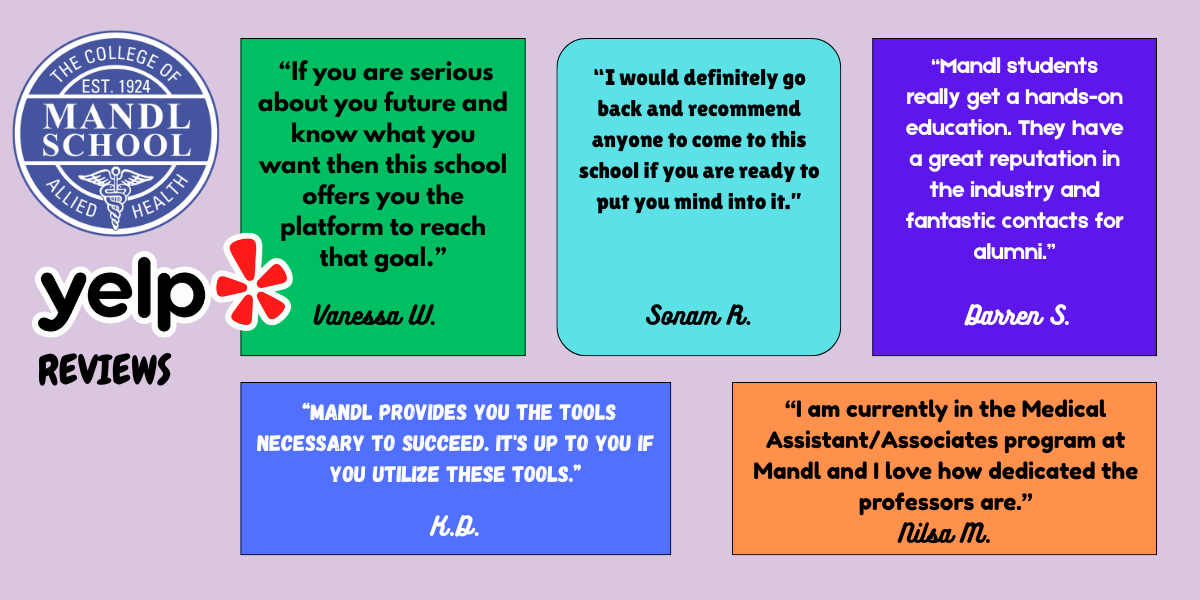
Yelp Reviews for Mandl SchoolWhy Mandl School?

At Mandl School, The College of Allied Health, we’ve been preparing healthcare professionals for careers in New York City and beyond for decades. Our Dental Assistant program is consistently recognized as one of the top dental assistant schools in NYC — and our graduates go on to build lasting careers in practices across the city and region.

Our Career Development Center works with you beyond graduation — connecting you with employers and helping you land the position that’s right for you.

If you’re ready to start a career that puts your skills to work every day in a setting that matters, we’d love to talk.

Apply Today or contact us to speak with one of our admissions advisors.

Mandl School — The College of Allied Health | Manhattan, New York

The Hidden Health Benefit Nobody Talks About: Loving What You Do

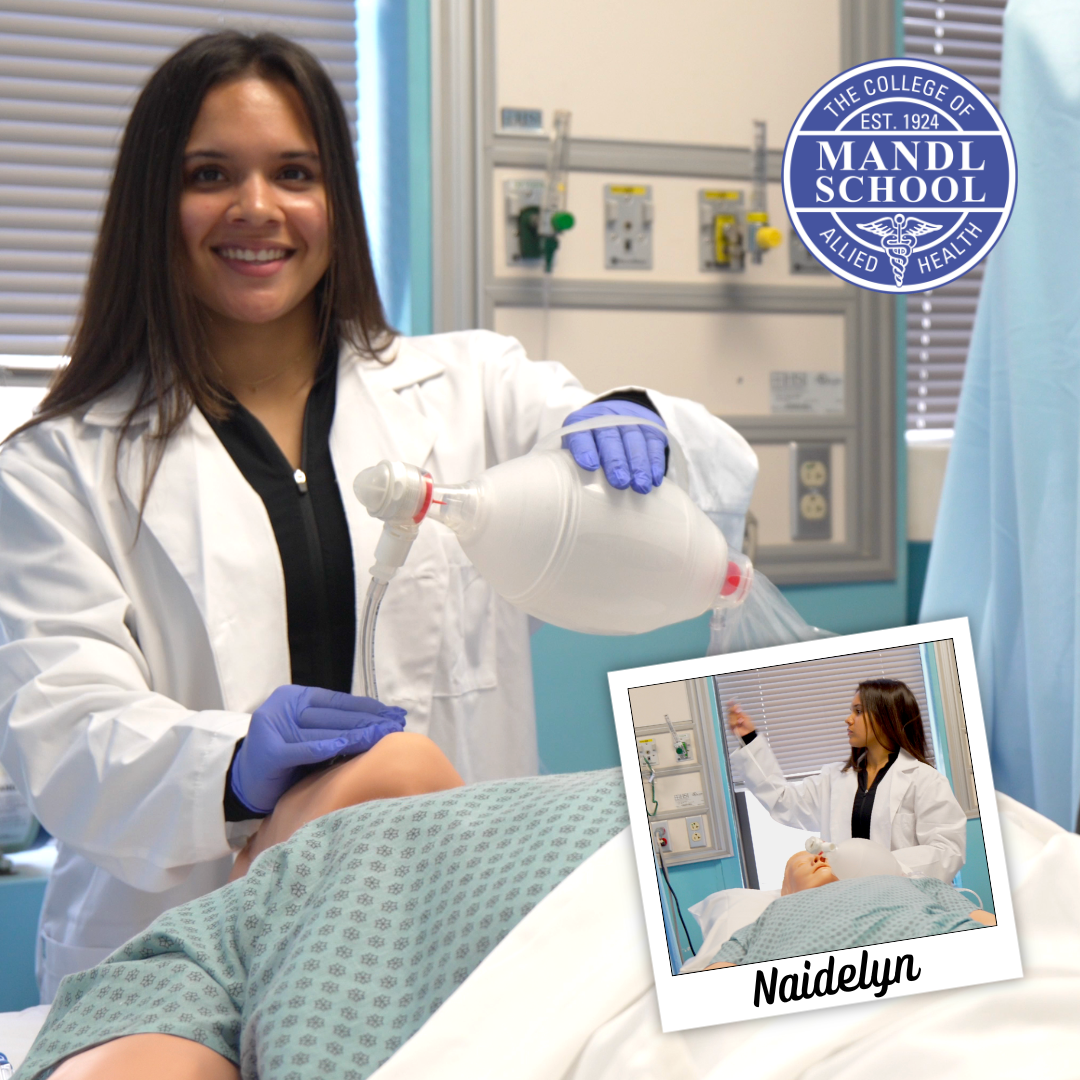
Mandl Student feeling good about her work

When most people think about health, they think about diet, exercise, and sleep. But there’s another powerful factor that shapes your physical and mental wellbeing every single day — and it has nothing to do with what you eat or how many steps you take.

It’s whether you wake up with a sense of purpose.

Research consistently shows that people who feel engaged in meaningful work experience lower stress levels, better sleep, stronger immune function, and a reduced risk of anxiety and depression. In other words, choosing a career path you’re proud of isn’t just good for your bank account. It’s good for your health.


The Mental Health Power of Having a Goal

There’s something deeply satisfying about working hard toward something that matters to you. When you’re enrolled in a program, studying for a certification, completing a clinical rotation, or mastering a new skill — your brain is engaged, focused, and moving forward.

Psychologists call this a sense of self-efficacy — the belief that your efforts lead to real outcomes. And the research is clear: people with high self-efficacy experience less anxiety, recover more quickly from setbacks, and report higher overall life satisfaction.

Every time you pass an exam, complete a clinical hour, or successfully perform a procedure for the first time, you’re building that foundation. You’re proving to yourself that you can do hard things — and that proof accumulates over time into genuine confidence.


Student medical assistant helping a patient

Purpose Reduces Stress — Even When Things Are Challenging

This might seem counterintuitive. Healthcare training is demanding. The coursework is rigorous. The clinical environment is fast-paced and high-stakes. So how can a challenging path reduce stress?

Because there’s a profound difference between the stress of struggle and the stress of meaninglessness.

When you’re working hard toward something you care about, the difficulty feels purposeful. You know why you’re pushing through. That sense of direction acts as a buffer against the kind of chronic, directionless stress that takes the greatest toll on mental health.

Students who are passionate about their chosen field don’t just tolerate the hard parts — they grow through them.


The Long-Term Benefits of a Career You’re Proud Of

The benefits don’t stop when you graduate. People who feel proud of their work consistently report:

  • Higher day-to-day happiness and life satisfaction
  • Stronger relationships — because they’re not carrying the weight of unfulfilling work home with them
  • Greater resilience in the face of life’s challenges
  • A stronger sense of identity and self-worth
  • Better physical health outcomes, including lower rates of cardiovascular disease and chronic illness

This isn’t coincidence. When you feel that your work matters — that you are genuinely contributing to something important — it changes the way you move through the world.

In healthcare careers especially, this effect is amplified. Every day, you play a direct role in someone’s health, diagnosis, and recovery. That kind of meaning is hard to find anywhere else.


You Deserve a Career That Fills You Up

At Mandl School, The College of Allied Health, we believe that choosing the right career path is one of the most important health decisions you’ll ever make.

Whether you’re drawn to diagnostic imaging, patient care, respiratory therapy, or surgical technology — the programs at Mandl are designed to give you not just the credentials to succeed, but the foundation for a career you’ll be proud of for the rest of your life.

If you’re ready to invest in yourself — in your future, your purpose, and your wellbeing — we’d love to help you take the first step.

Apply Today or reach out to speak with one of our admissions advisors. Your next chapter starts here.

Mandl School — The College of Allied Health | Manhattan, New York

HAVE A QUESTION?

  • Please do not add "1" to your number