Skip to navigation Menu

A Career as a Surgical Technologist: The Heroes of the Operating Room

Mandl School Surgical Technologost Degree Program

When most people think about surgery, minds often turn to the surgeon or perhaps the anesthesiologist, both critical figures in the operating room. However, there’s a vital role that often goes unnoticed but is crucial for the success of any surgical procedure: the surgical technologist. These professionals are the backbone of the surgical team, ensuring that operations run smoothly, efficiently, and safely. The Surgical Technologist degree program at Mandl School offers you an opportunity to start you career in this exciting field!

If you’ve ever considered a career in healthcare but aren’t sure where to start or what path to take, a career as a surgical technologist could be the ideal option. This blog will explore what a surgical technologist does, the skills needed to succeed, the steps to becoming one, and why this career can be incredibly rewarding. We’ve ben educating the finest Surgical Technologist in NYC and beyond.

What is a Surgical Technologist?

A surgical technologist, also known as a surgical technician or operating room technician, plays a key role before, during, and after surgery. They are responsible for preparing the operating room, ensuring all necessary instruments and equipment are sterilized and available, and assisting the surgical team during procedures. Our labs offer students a real life experience and prepare you for success.

Their duties include:
Preparing the Operating Room: Surgical technologists set up surgical instruments, sterile drapes, and solutions. They ensure all equipment is functioning properly and ready for use.
Assisting During Surgery: During surgery, they pass instruments to surgeons, maintain the sterile field, and anticipate the needs of the surgical team.
Post-Operative Responsibilities: After the procedure, they assist with cleaning the operating room and ensuring that all instruments are accounted for and sterilized for future use.

Why Choose a Career as a Surgical Technologist?

1. In-Demand Career with Job Stability
The healthcare sector is consistently one of the fastest-growing fields, and surgical technologists are in high demand. As the population ages and surgical procedures become more advanced and common, there’s a steady need for skilled professionals in the operating room. According to the U.S. Bureau of Labor Statistics, employment for surgical technologists is projected to grow faster than the average for all occupations.
2. Hands-On Experience in the Operating Room
If you’re someone who thrives in a fast-paced, high-stakes environment, becoming a surgical technologist can be highly fulfilling. You’ll be in the heart of the action, playing a direct role in helping save lives and improve patient outcomes.
3. Shorter Education Pathway
Unlike many other healthcare careers, becoming a surgical technologist doesn’t require a decade of education. Most surgical technology programs can be completed in two years with Mandl School, The College of Allied Health Surgical Technologist Associate Degree Program offering a quicker pathway to entering the workforce.
4. Opportunities for Advancement
A career as a surgical technologist offers plenty of room for advancement. With experience and further education, you can move into roles such as surgical assistant, or even specialize in areas like cardiovascular surgery or neurosurgery. Some technologists transition into management roles or become educators for future surgical technologists.

Key Skills Needed for Success

A career as a surgical technologist requires a unique blend of technical knowledge, attention to detail, and soft skills. Some of the most important qualities include:
Attention to Detail: Precision is critical in the operating room, and even small mistakes can have serious consequences.
Calm Under Pressure: The surgical environment can be intense. Surgical technologists need to remain calm, focused, and quick-thinking, especially in emergencies.
Teamwork: Surgical technologists work closely with surgeons, nurses, and other healthcare professionals, so the ability to communicate effectively and work as part of a team is essential.
Manual Dexterity: Surgical technologists must have good hand-eye coordination to handle instruments quickly and efficiently during procedures.
Physical Stamina: Long hours on your feet and the need to move quickly during procedures mean physical stamina is important for this role.

Conclusion: A Fulfilling Career Path

A career as a surgical technologist is a perfect fit for those who want to work in healthcare but are looking for an accessible, fast-paced, and hands-on profession. Surgical technologists make a significant difference in patients’ lives every day, helping to ensure that surgeries are safe, effective, and efficient.

If you’re interested in working in the medical field but want a faster route to entering the workforce, this career offers an exciting opportunity to be part of life-saving procedures without the long years of medical school. Plus, with job stability, opportunities for advancement, and the chance to make a direct impact, being a surgical technologist is as rewarding as it is essential. Contact our admissions department for more information. We can also have you speak with our career services to learn how Mandl School can help you after graduation. Apply today here to learn more!


Medical Assisting Careers


medical assistant, also known as a “clinical assistant” or healthcare assistant in the US[1] is an allied health professional who supports the work of physiciansnurse practitionersphysician assistants and other health professionals, usually in a clinic setting. Medical assistants can become certified through an accredited program. Medical assistants perform routine tasks and procedures in a medical clinic.

Medical Assisting careers are growing!

In New York City, medical assistants have traditionally held jobs almost exclusively in ambulatory care centers, urgent care facilities, and clinics, but this is now changing. Medical assistants now find employment in both private and public hospitals, inpatient and outpatient facilities, as well as assisted living facilities, administrative and clinical settings, or general practice and specialty doctor’s offices. According to the U.S. Department of Labor’s Occupational Outlook Handbook, 2014–15 Edition, employment of medical assistants is expected to grow by 29%, much faster than the average for all occupations through 2022.

 Gain the Clinical Skills to be an efficient Medical Assistant.

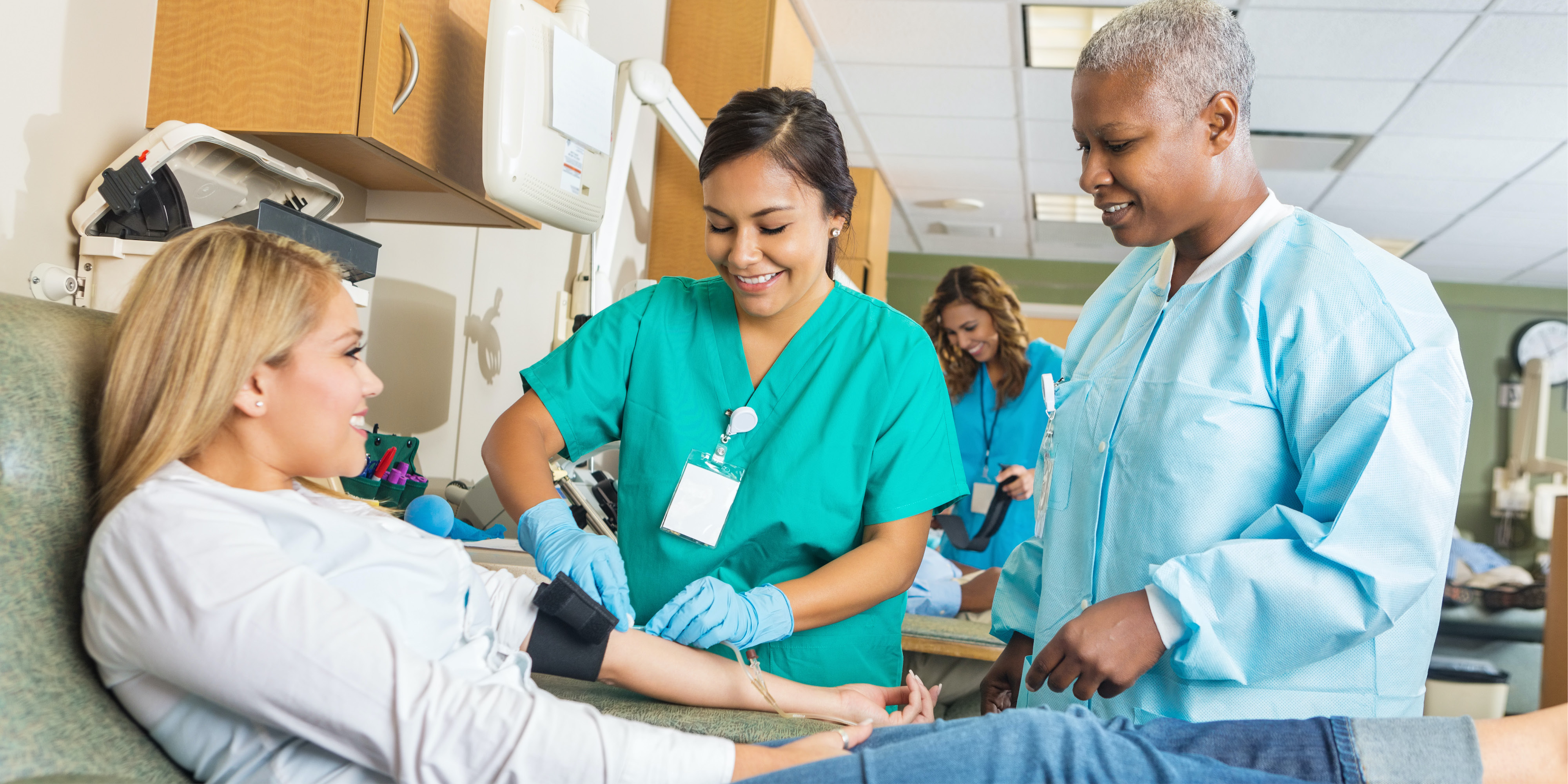
The goal of this program is to produce graduates who possess the necessary knowledge of clinical skills and office procedures to be an efficient medical assistant. The coursework has been designed to build clinical laboratory procedures and administrative skills. Clinical duties taught include collecting and preparing laboratory specimens, performing basic laboratory tests, drawing blood (phlebotomy), preparing patients for x-rays, taking electrocardiograms (EKG’s), and assisting in office emergencies. Medical assistants take medical histories, record vital signs, explain treatment procedures, prepare patients for examination, and assist during the exam.

Students build a professional vocabulary of medical terminology, basic knowledge of anatomy/physiology, and medical ethics, concepts and basic medical assisting theory. Laboratories are well equipped with modern instrumentation to allow varied training. Many graduates of the medical assisting program will immediately assume positions as medical assistants in clinics, hospitals and other health care facilities, private doctor’s offices, insurance organizations, and more.

To learn more, fill out our online application and we will reach out to you right away!

Healthcare Job Growth


The health care and social assistance sector is projected to not only grow most rapidly of any sector, but it is also projected to create about 45 percent of all the projected job gains from 2022 to 2032. Various healthcare occupations that are involved with the increased care of the aging population are projected to experience large and rapid employment increases. Home health and personal care aides, nurse practitioners, and medical and health services managers are three occupations that are projected to experience both large increases in employment and rapid growth. 

For the full article, visit https://www.bls.gov/news.release/ecopro.nr0.htm

Mandl School can help you get started! Apply here today!

Become a Respiratory Therapist


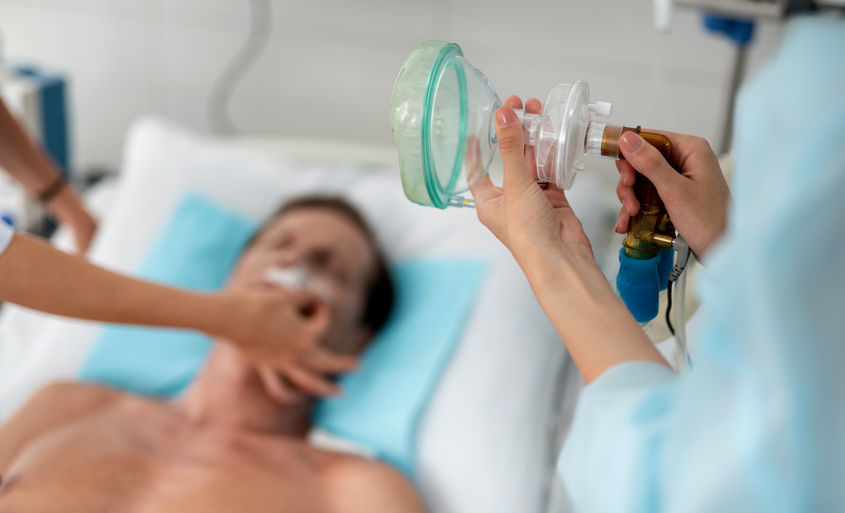
Close up of female hands holding medical respiratory equipment. Man lying on hospital bed and doctor arm on blurred backgroundA respiratory therapist helps patients who are having trouble breathing. Respiratory therapists work under the direction of doctors and treat a range of patients, from premature infants whose lungs are not fully developed to elderly people with lung disease. They give patients oxygen, manage ventilators, and administer drugs to the lungs.


Scope of practice

Respiratory therapists work with doctors and nurses to treat patients of all ages, from infants to the elderly. In a typical day, respiratory therapists may:

  • Assist with diagnosing lung or breathing disorders
  • Evaluate patients and performing tests and studies
  • Determine appropriate therapy and treatment options with physicians
  • Analyze blood and sputum in the lab
  • Manage equipment and devices needed to help people that can’t breathe normally on their own
  • Educate patients and families about lung diseases and breathing disorders

Specializations

There are many different areas that respiratory therapists can specialize in. Some areas require extra certification or experience.

Work environment

Respiratory therapists work in hospitals, cardiopulmonary diagnostic labs, cardiopulmonary rehabilitation centers, nursing homes, and home health agencies; however, about 75% of respiratory therapists are employed by hospitals. They typically work 35-40 hour weeks. Depending on where they work, they may work nights, weekends, and holidays, especially if they do direct patient care in hospitals or nursing homes. Shifts can be long, and respiratory therapists typically spend most of their shift on their feet.

Becoming a respiratory therapist

Individuals interested in becoming a respiratory therapist, should be detail oriented and well organized. It’s important to have strong problem solving and interpersonal skills, and the ability to work well under pressure. High school students can prepare for the role by taking advantage of science, math, and health courses.

Higher education requirements

Respiratory therapists can choose to get a two-year associate degree. Mandl School’s Respiratory Therapist degree program is one of the only programs of its kind in the New York Metro area.  Contact us to learn more!

Mandl School, Healthcare Education in NYC


Mandl School the College of Allied Health offers one of the more well- rounded platforms of degree programs in New York City.  Unlike many schools and college that only offer a Medical Assisting degree or Health Care Administration degree (both offered by Mandl and considered by many to be the finest in NYC), Mandl offers challenging degree programs such as Healthcare Administration, Medical Assisting, Respiratory Therapy, Surgical Technology, Diagnostic Medical Sonography and Certificates in Dental Assistant and Medical Assisting. These and programs are rigorous and acceptance rates are competitive.

Mandl School alumni work.

Mandl alumni from these specialized programs work. The state of Health care and the needs for qualified health care workers has never been higher. There is a real need and for those with a degree, they have a tremendous advantage. If you are looking for a career path in any of these disciplines, your degree is vital. In fact, without it, in many cases, you cannot become certified.

Mandl School Equal Opportunity Policy

Internships help start careers.

Mandl School Internships can make the difference between being job ready and still needing experience. Hospitals, clinics, private offices, urgent care, etc. all look for experience. Mandl has a fantastic Internship Program that will have you ready to start with experience.

Mandl School Career Development Center

Get started now!

Fall 2023 is quickly approaching. Getting started now means you are ready to sit for classes faster. This time next year, you are well on your way to a great career. Contact us today to learn more – we’ll help you get started!

Medical Assisting Students at Mandl School

ONLINE APPLICATION


HAVE A QUESTION?

  • Please do not add "1" to your number
  • This field is hidden when viewing the form