Skip to navigation Menu

Is a Career in Cardiac or Vascular Imaging Right for You? Meet Track Two in Mandl’s Diagnostic Medical Sonography Program

Mandl School Diagnostic Medical Sonography scanning a patients neck

If you’re drawn to the heart — how it beats, how blood flows through the body, and how imaging technology can detect life-threatening conditions before they become crises — Track Two in Mandl School’s Diagnostic Medical Sonography program may be exactly what you’ve been looking for.

Track Two: Adult Echocardiography and Advanced Vascular Sonography prepares students for specialized careers in cardiac and vascular ultrasound imaging — two of the most technically demanding and rewarding paths in the field. Ready to apply now? Click here!


What Is Adult Echocardiography and Vascular Sonography?

Echocardiography uses ultrasound technology to create detailed images of the heart — its chambers, valves, structure, and function. Vascular sonography focuses on the blood vessels throughout the body, using advanced Doppler imaging to evaluate circulation, detect abnormalities, and assess conditions like stenosis, grafts, and bypass vessels.

Together, these two specialties sit at the intersection of technology and life-saving diagnostics. The images you produce help cardiologists and vascular specialists diagnose heart disease, monitor conditions, and make critical treatment decisions for their patients.


What You’ll Learn in Track Two

Students in Track Two develop skills across two interconnected areas:

Cardiac Imaging:

  • Evaluating heart chambers and valves
  • Assessing cardiac structure and function
  • Identifying and documenting heart disease conditions

Vascular Imaging:

  • Evaluating blood vessels and circulation
  • Advanced Doppler imaging principles and hemodynamics
  • Identifying vascular abnormalities, stenosis, grafts, and bypass vessels

Beyond the specialty skills, all Mandl Diagnostic Medical Sonography students build a strong foundation in ultrasound physics and instrumentation, cross-sectional anatomy, physiology and pathology, patient positioning and scanning techniques, critical thinking and problem solving, professional communication, patient-centered care, and safety procedures and quality control.

Graduates of Track Two are prepared to sit for the RDCS (Registered Diagnostic Cardiac Sonographer) and RVT (Registered Vascular Technologist) certification exams — nationally recognized credentials that open doors in hospitals, cardiology practices, vascular labs, and specialty imaging centers across New York City and beyond.


Who Is Mandl’s Adult Echocardiography and Vascular SonographyTrack Right For?

Our Adult Echocardiography and Vascular Sonography Track is an excellent fit for students who are interested in cardiology and cardiovascular imaging, drawn to advanced diagnostics and technical precision, looking to work in hospital cardiology departments, vascular labs, or specialty practices, and motivated by the challenge of mastering complex imaging technology.

If the idea of using ultrasound to evaluate a beating heart or map blood flow through the body excites you — this is your track.


A Growing Field With Strong Career Outlook

The demand for cardiac and vascular sonographers continues to grow. As the U.S. population ages and cardiovascular disease remains one of the leading health concerns in the country, hospitals and specialty practices need skilled imaging professionals who can provide accurate, timely diagnostic images.

A career in echocardiography or vascular sonography offers competitive salaries, strong job stability, and the daily satisfaction of contributing to patient care in a meaningful way.


Mandl School reviewsWhy Choose Mandl School ?

At Mandl School, The College of Allied Health, our Diagnostic Medical Sonography program combines classroom instruction, hands-on laboratory training, and supervised clinical experience — so you graduate ready to work, not just ready to test.

Our program is accredited by CAAHEP (Commission on Accreditation of Allied Health Education Programs), which means you’re eligible to sit for ARDMS, RDCS, and RVT certification exams upon completion.

With flexible scheduling built around working New Yorkers and a program length of approximately 90 weeks, Mandl gives you a focused, efficient path to a specialized healthcare career.


Ready to Learn More?

If a career in cardiac or vascular imaging sounds like the right path for you, we’d love to tell you more about Track Two and what life looks like as a Mandl student.

Apply Today or contact us to speak with an admissions advisor — we’re here to help you take the first step.

Mandl School — The College of Allied Health | Manhattan, New York

What Does A Diagnostic Medical Sonographer Really Do? A Day in the Life


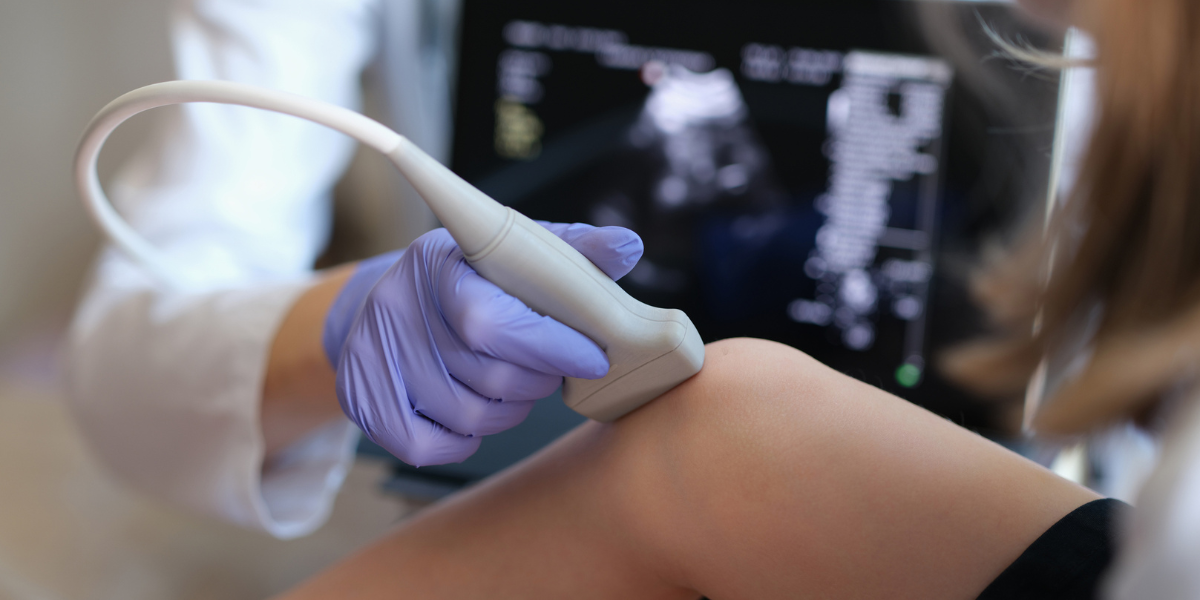
Diagnostic Medical sonographer working on a knee

When most people think of sonography, they picture ultrasound images of babies during pregnancy. But Diagnostic Medical Sonographers do far more than that — they’re key members of healthcare teams who use advanced imaging technology to help doctors diagnose and treat patients every day.

Morning: Preparing for Patients

A typical day starts early. Sonographers check their equipment, review the day’s schedule, and prepare exam rooms. Each patient’s case is different — one might need an abdominal scan, another might be checking heart function, or a third might be coming in for a vascular study. Precision and professionalism are essential from the start.

Midday: The Art and Science of Imaging

During each scan, sonographers use sound waves to create real-time images of the body’s internal organs and tissues. They adjust the equipment to capture the clearest images possible, analyze what they see, and document their findings for physicians. While they don’t make diagnoses, their skill and attention to detail directly influence the accuracy of the doctor’s decisions.

Afternoon: Patient Care and Collaboration

Beyond the technology, sonographers are compassionate caregivers. They help patients feel comfortable, explain procedures, and work closely with doctors, nurses, and radiologists. Every day brings new challenges and the satisfaction of helping people through important moments in their healthcare journey.

Building Your Career in Sonography

Mandl School’s Diagnostic Medical Sonography degree program gives students the hands-on training, clinical experience, and technical expertise needed to thrive in this vital field. Graduates are prepared to work in hospitals, clinics, and imaging centers — wherever skilled professionals are needed most.

If you’re detail-oriented, empathetic, and passionate about healthcare technology, a career as a Diagnostic Medical Sonographer could be your perfect fit.

Start your journey at Mandl School today — where your education and degree can be the start  of a fantastic career.  Apply Today!


HAVE A QUESTION?

  • Please do not add "1" to your number
  • This field is hidden when viewing the form