Skip to navigation Menu

Why Mandl School’s Accreditations Actually Matter

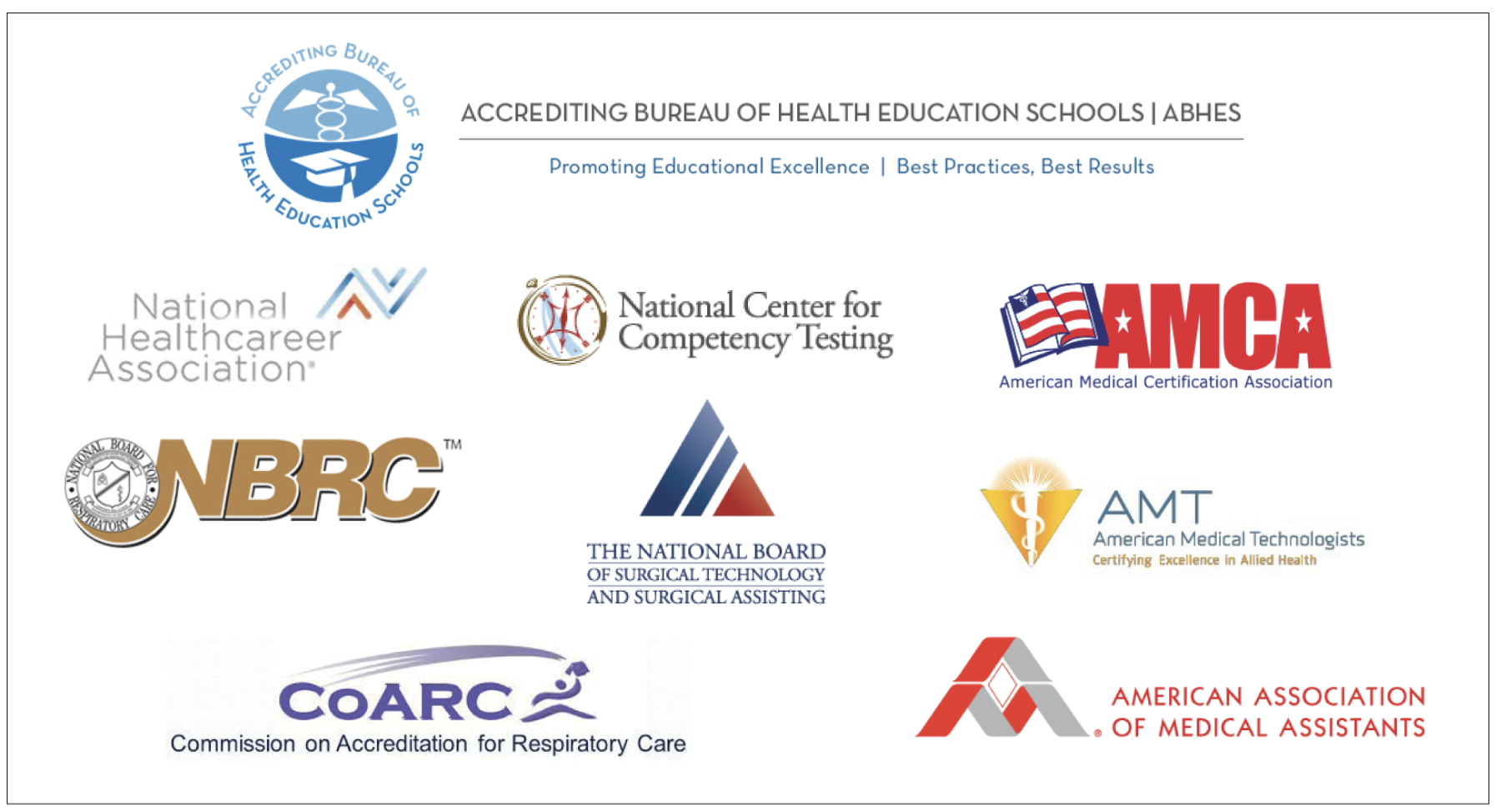
Accreditations and affiliations

Accreditation is one of those words that shows up in fine print and gets skimmed past. It shouldn’t be. For a healthcare degree specifically, accreditation is the quiet mechanism that determines whether your diploma actually opens doors, whether you can sit for licensing exams, whether financial aid is even available to you, and whether employers take your credential seriously. It is less exciting than clinical rotations or graduation day, but it is the foundation everything else stands on.

Mandl School, The College of Allied Health, lists its full accreditations and affiliations publicly, and that list is worth understanding, not just skimming.

State authorization and institutional accreditation

Before anything else, a school has to be legally authorized to grant degrees. Mandl is authorized by the Board of Regents of the University of the State of New York to award its degrees, including the Associate in Applied Science (A.A.S.) in Diagnostic Medical Sonography, Health Care Administration, and Respiratory Therapy, the Associate in Occupational Studies (A.O.S.) in Medical Assisting and Surgical Technologist, and certificates in Dental Assistant and Medical Assisting. That authorization is the basic legal ground a degree stands on.

On top of that, Mandl is institutionally accredited by the Accrediting Bureau of Health Education Schools (ABHES). Institutional accreditation evaluates the school as a whole, its resources, faculty, facilities, and educational quality, rather than any single program. It’s the difference between a school that meets recognized standards and one that simply exists.

Programmatic accreditation: the layer that really counts

Institutional accreditation covers the school. Programmatic accreditation covers the specific degree you’re pursuing, and for many healthcare careers, it’s non-negotiable. Mandl’s Respiratory Therapy program is accredited by the Commission on Accreditation for Respiratory Care (CoARC), the specialized body that evaluates respiratory therapy education specifically.

This matters because, in most healthcare fields, licensing and certification boards require a degree from a programmatically accredited school before they’ll let you sit for the exam. A general business or liberal arts accreditation does not satisfy that requirement. Graduating from a CoARC-accredited program is what keeps the door to the Therapist Multiple-Choice Examination and the Clinical Simulation Examination open for Mandl’s respiratory therapy students, including those who complete the program under the school’s current provisional accreditation status, who are still considered graduates of a CoARC-accredited program.

What these accreditations unlock: national certification

Accreditation isn’t just a label on a diploma. It’s what makes graduates eligible to sit for the national registry and certification exams employers actually ask for. Depending on the program, Mandl graduates can pursue credentials including:

  • Registered Respiratory Therapist (RRT), through the National Board for Respiratory Care
  • Registered Medical Assistant (RMA), Registered Dental Assistant (RDA), and Registered Phlebotomy Technician (RPT), through the American Medical Technologists
  • Certified Medical Assistant (CMA), through the American Association of Medical Assistants
  • Certified Surgical Technologist (CST), through the National Board of Surgical Technology and Surgical Assisting
  • ECG Technician, Medical Assistant, Phlebotomy Technician, and Tech in Surgery credentials, through the National Center for Competency Testing
  • Clinical Medical Assistant, Operating Room/Surgical Technician, and Patient Care Technician credentials, through the National Healthcareer Association

These aren’t minor add-ons. For most employers, a nationally recognized credential is the difference between an entry-level application that gets a callback and one that doesn’t.

Accreditation also opens the door to financial aid

Accreditation isn’t only about academics and licensure. It’s also a prerequisite for the financial support that makes school possible for most students. Because of its accredited, approved status, Mandl is recognized by:

  • Federal Aid, Title IV Programs
  • The New York State Higher Education Services Corporation, for the Tuition Assistance Program (TAP)
  • The Department of Education for Training Veterans
  • Adult Career and Continuing Education Services, Vocational Rehabilitation (ACCES)
  • U.S. Immigration and Customs Enforcement (ICE), for international student eligibility

Without the underlying accreditation, none of this funding infrastructure would be available to students at all.

The practical takeaway

When you’re comparing healthcare programs, accreditation should be one of the first things you check, not an afterthought. It determines whether you’ll be eligible to sit for the exam your career depends on, whether financial aid will cover your tuition, and whether employers will recognize your credential as legitimate. Mandl’s combination of state authorization, institutional accreditation through ABHES, and programmatic accreditation through CoARC for its Respiratory Therapy program gives students a clear, verified path from enrollment to licensure.

To see Mandl’s full list of accreditations and affiliations, visit mandl.edu/about/accreditation-affiliations.

The Hidden Health Benefit Nobody Talks About: Loving What You Do

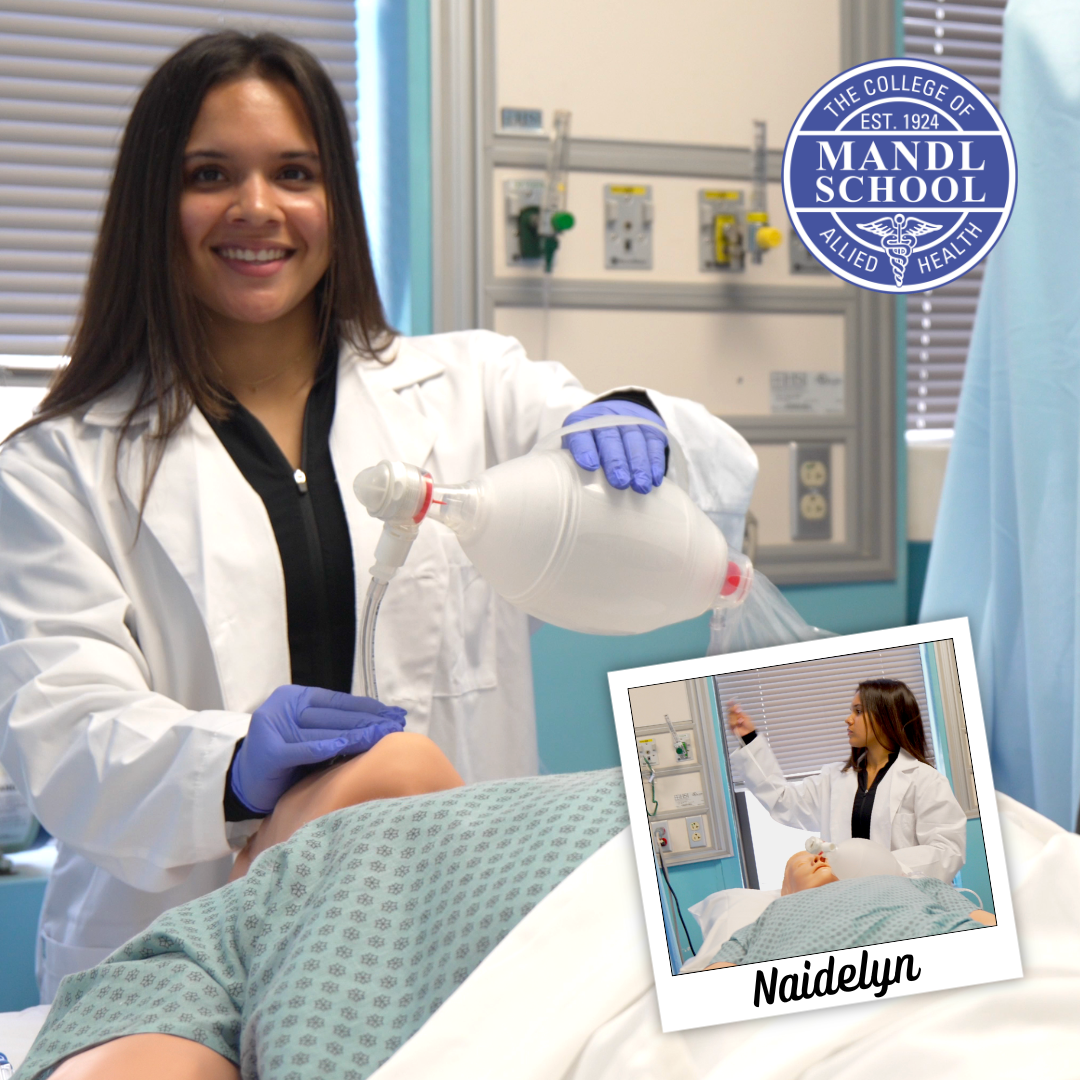
Mandl Student feeling good about her work

When most people think about health, they think about diet, exercise, and sleep. But there’s another powerful factor that shapes your physical and mental wellbeing every single day — and it has nothing to do with what you eat or how many steps you take.

It’s whether you wake up with a sense of purpose.

Research consistently shows that people who feel engaged in meaningful work experience lower stress levels, better sleep, stronger immune function, and a reduced risk of anxiety and depression. In other words, choosing a career path you’re proud of isn’t just good for your bank account. It’s good for your health.


The Mental Health Power of Having a Goal

There’s something deeply satisfying about working hard toward something that matters to you. When you’re enrolled in a program, studying for a certification, completing a clinical rotation, or mastering a new skill — your brain is engaged, focused, and moving forward.

Psychologists call this a sense of self-efficacy — the belief that your efforts lead to real outcomes. And the research is clear: people with high self-efficacy experience less anxiety, recover more quickly from setbacks, and report higher overall life satisfaction.

Every time you pass an exam, complete a clinical hour, or successfully perform a procedure for the first time, you’re building that foundation. You’re proving to yourself that you can do hard things — and that proof accumulates over time into genuine confidence.


Student medical assistant helping a patient

Purpose Reduces Stress — Even When Things Are Challenging

This might seem counterintuitive. Healthcare training is demanding. The coursework is rigorous. The clinical environment is fast-paced and high-stakes. So how can a challenging path reduce stress?

Because there’s a profound difference between the stress of struggle and the stress of meaninglessness.

When you’re working hard toward something you care about, the difficulty feels purposeful. You know why you’re pushing through. That sense of direction acts as a buffer against the kind of chronic, directionless stress that takes the greatest toll on mental health.

Students who are passionate about their chosen field don’t just tolerate the hard parts — they grow through them.


The Long-Term Benefits of a Career You’re Proud Of

The benefits don’t stop when you graduate. People who feel proud of their work consistently report:

  • Higher day-to-day happiness and life satisfaction
  • Stronger relationships — because they’re not carrying the weight of unfulfilling work home with them
  • Greater resilience in the face of life’s challenges
  • A stronger sense of identity and self-worth
  • Better physical health outcomes, including lower rates of cardiovascular disease and chronic illness

This isn’t coincidence. When you feel that your work matters — that you are genuinely contributing to something important — it changes the way you move through the world.

In healthcare careers especially, this effect is amplified. Every day, you play a direct role in someone’s health, diagnosis, and recovery. That kind of meaning is hard to find anywhere else.


You Deserve a Career That Fills You Up

At Mandl School, The College of Allied Health, we believe that choosing the right career path is one of the most important health decisions you’ll ever make.

Whether you’re drawn to diagnostic imaging, patient care, respiratory therapy, or surgical technology — the programs at Mandl are designed to give you not just the credentials to succeed, but the foundation for a career you’ll be proud of for the rest of your life.

If you’re ready to invest in yourself — in your future, your purpose, and your wellbeing — we’d love to help you take the first step.

Apply Today or reach out to speak with one of our admissions advisors. Your next chapter starts here.

Mandl School — The College of Allied Health | Manhattan, New York

Why an Associate Degree in Healthcare Is the Smartest Investment You Can Make

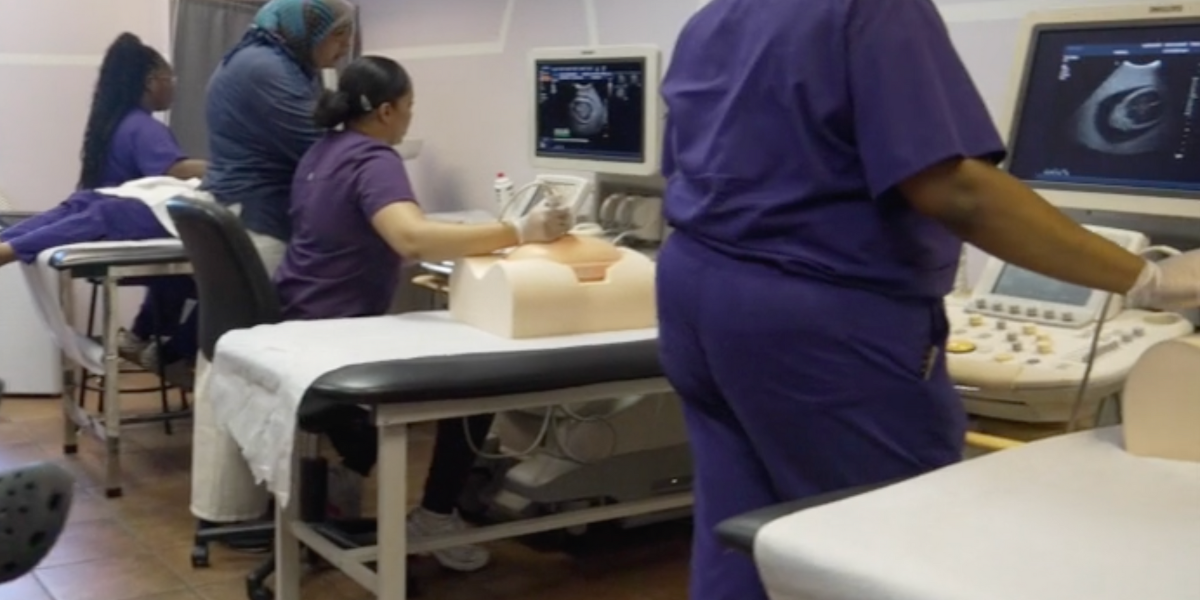
Mandl School Diagnostic Medical Sonography Lab


If you want a stable, rewarding, and respected career, few paths offer more opportunity than healthcare. Earning an Associate Degree in Healthcare is one of the smartest investments you can make, offering strong job prospects, competitive pay, and the chance to make a real difference in people’s lives.

Fast Track to a Career

Unlike traditional four-year programs, associate degrees at Mandl School, The College of Allied Health can be completed in about two years. That means you can start earning and building real-world experience much sooner. Students can quickly enter growing fields such as Diagnostic Medical Sonography, Surgical Technology, Respiratory Therapy, Dental Assisting, or Medical Assisting.

High-Value

Healthcare associate programs are value-driven education opportunities: you can earn a degree and start a career far faster and for a fraction of the cost of a 4-year degree.  At Mandl, you’ll receive focused, hands-on training with smaller class sizes and personalized support.

Strong Job Demand

The U.S. Bureau of Labor Statistics projects continued growth in healthcare careers over the next decade, especially for allied health professionals. Hospitals, clinics, and private practices need skilled team members who can step in right away, exactly the kind of graduates Mandl prepares.

A Career with Purpose

Beyond job security, a career in healthcare brings meaning. Every role, from medical assistant to surgical technologist, directly impacts patients and communities. With an associate degree, you’re not just earning a paycheck; you’re helping people live healthier, better lives.

Mandl School’s allied health programs are built to get you from the classroom to the career field efficiently and effectively.

Start investing in your future today and see how quickly your passion can become a profession. Apply Today!

Why an Associate’s Degree Can Jumpstart Your Healthcare Career

Career in Diagnostic Medical Sonography

If you’re passionate about helping others and looking for a fast, affordable way to break into the healthcare field, an associate’s degree might be your perfect starting point.

Healthcare is growing. Fast!

Healthcare is one of the fastest-growing industries, and many roles—like medical assistants, surgical technologists, diagnostic medical sonographers, and respiratory therapists—only require a two-year degree to get started. These programs are all offered at Mandl School, The College of Allied Health, making them more affordable and accessible than four-year programs. Even better, our programs all include hands-on clinical training that prepares you to step directly into a job after graduation.

An Associates Degree will get you started!

An associate’s degree can also serve as a stepping stone. You can start working sooner, gaining experience and earning income while continuing your education if you choose to pursue a bachelor’s or advanced degree later on.

Whether you want a quicker path to employment, a flexible entry point, or a solid foundation for future growth, an associate’s degree can be a smart move toward a meaningful healthcare career.

HAVE A QUESTION?

  • Please do not add "1" to your number
  • This field is hidden when viewing the form