 Mandl School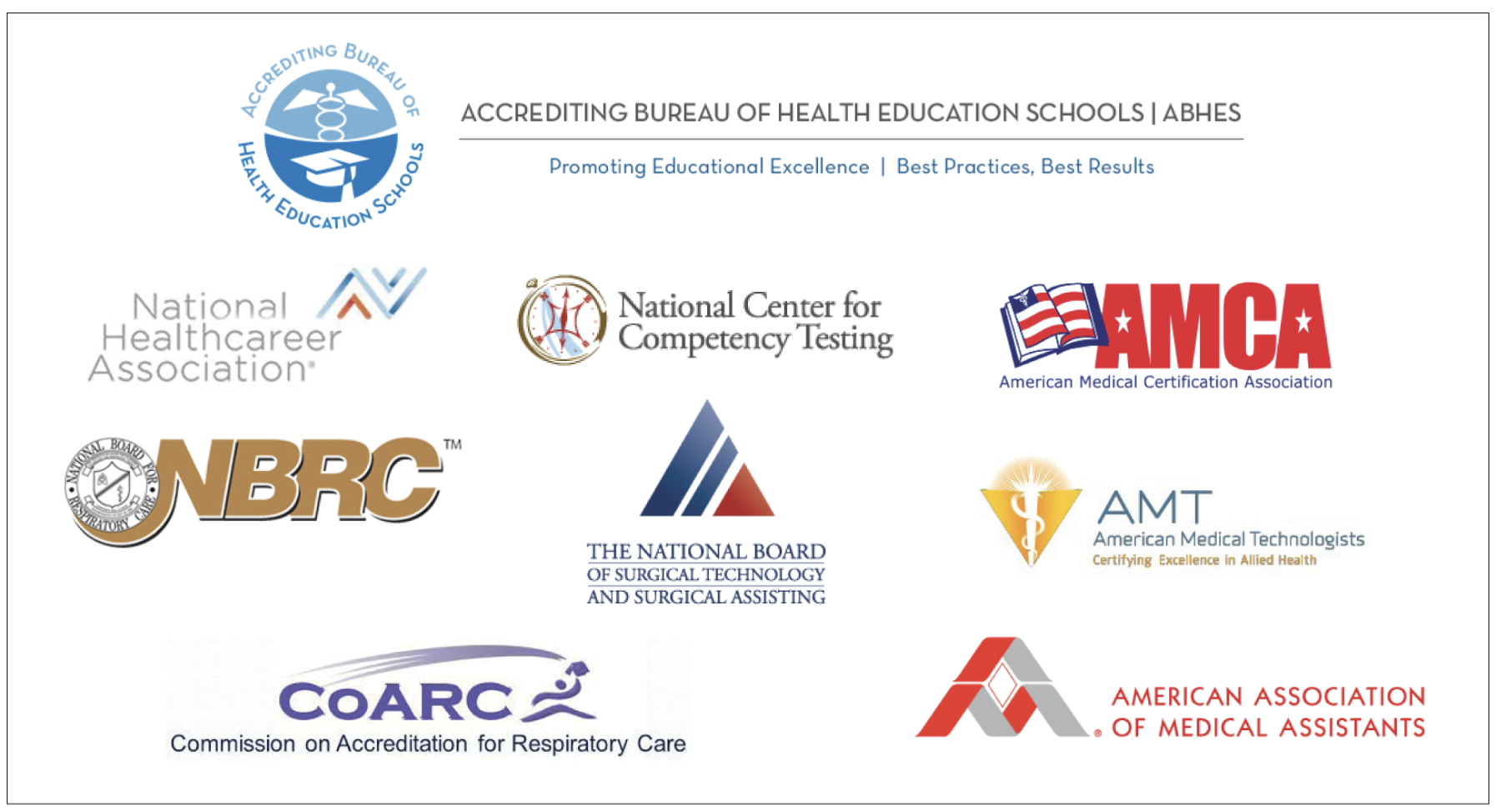
Accreditation is one of those words that shows up in fine print and gets skimmed past. It shouldn’t be. For a healthcare degree specifically, accreditation is the quiet mechanism that determines whether your diploma actually opens doors, whether you can sit for licensing exams, whether financial aid is even available to you, and whether employers take your credential seriously. It is less exciting than clinical rotations or graduation day, but it is the foundation everything else stands on.
Mandl School, The College of Allied Health, lists its full accreditations and affiliations publicly, and that list is worth understanding, not just skimming.
State authorization and institutional accreditation
Before anything else, a school has to be legally authorized to grant degrees. Mandl is authorized by the Board of Regents of the University of the State of New York to award its degrees, including the Associate in Applied Science (A.A.S.) in Diagnostic Medical Sonography, Health Care Administration, and Respiratory Therapy, the Associate in Occupational Studies (A.O.S.) in Medical Assisting and Surgical Technologist, and certificates in Dental Assistant and Medical Assisting. That authorization is the basic legal ground a degree stands on.
On top of that, Mandl is institutionally accredited by the Accrediting Bureau of Health Education Schools (ABHES). Institutional accreditation evaluates the school as a whole, its resources, faculty, facilities, and educational quality, rather than any single program. It’s the difference between a school that meets recognized standards and one that simply exists.
Programmatic accreditation: the layer that really counts
Institutional accreditation covers the school. Programmatic accreditation covers the specific degree you’re pursuing, and for many healthcare careers, it’s non-negotiable. Mandl’s Respiratory Therapy program is accredited by the Commission on Accreditation for Respiratory Care (CoARC), the specialized body that evaluates respiratory therapy education specifically.
This matters because, in most healthcare fields, licensing and certification boards require a degree from a programmatically accredited school before they’ll let you sit for the exam. A general business or liberal arts accreditation does not satisfy that requirement. Graduating from a CoARC-accredited program is what keeps the door to the Therapist Multiple-Choice Examination and the Clinical Simulation Examination open for Mandl’s respiratory therapy students, including those who complete the program under the school’s current provisional accreditation status, who are still considered graduates of a CoARC-accredited program.
What these accreditations unlock: national certification
Accreditation isn’t just a label on a diploma. It’s what makes graduates eligible to sit for the national registry and certification exams employers actually ask for. Depending on the program, Mandl graduates can pursue credentials including:
- Registered Respiratory Therapist (RRT), through the National Board for Respiratory Care
- Registered Medical Assistant (RMA), Registered Dental Assistant (RDA), and Registered Phlebotomy Technician (RPT), through the American Medical Technologists
- Certified Medical Assistant (CMA), through the American Association of Medical Assistants
- Certified Surgical Technologist (CST), through the National Board of Surgical Technology and Surgical Assisting
- ECG Technician, Medical Assistant, Phlebotomy Technician, and Tech in Surgery credentials, through the National Center for Competency Testing
- Clinical Medical Assistant, Operating Room/Surgical Technician, and Patient Care Technician credentials, through the National Healthcareer Association
These aren’t minor add-ons. For most employers, a nationally recognized credential is the difference between an entry-level application that gets a callback and one that doesn’t.
Accreditation also opens the door to financial aid
Accreditation isn’t only about academics and licensure. It’s also a prerequisite for the financial support that makes school possible for most students. Because of its accredited, approved status, Mandl is recognized by:
- Federal Aid, Title IV Programs
- The New York State Higher Education Services Corporation, for the Tuition Assistance Program (TAP)
- The Department of Education for Training Veterans
- Adult Career and Continuing Education Services, Vocational Rehabilitation (ACCES)
- U.S. Immigration and Customs Enforcement (ICE), for international student eligibility
Without the underlying accreditation, none of this funding infrastructure would be available to students at all.
The practical takeaway
When you’re comparing healthcare programs, accreditation should be one of the first things you check, not an afterthought. It determines whether you’ll be eligible to sit for the exam your career depends on, whether financial aid will cover your tuition, and whether employers will recognize your credential as legitimate. Mandl’s combination of state authorization, institutional accreditation through ABHES, and programmatic accreditation through CoARC for its Respiratory Therapy program gives students a clear, verified path from enrollment to licensure.
To see Mandl’s full list of accreditations and affiliations, visit mandl.edu/about/accreditation-affiliations.